
Fight disinformation
Disinformation campaigns by states, economic opportunists, and the misinformed themselves threaten to erode the common understandings, shared identities, and empirical bedrock that underlies our collective decisionmaking. While disinformation campaigns have used mass media to spread for many years, social media platforms have proven an exceptionally hospitable environment for the proliferation of falsehoods. Those looking to limit disinformation’s effect on society and bolster truth in media have likewise turned to technology to help keep up with the volume and precision of constantly evolving disinformation campaigns.
Suggested reading:
- Matt Stempeck's research into how the Code for All network has advanced its strategies for fighting disinformation in different contexts around the world (2022)
- Digital Disinformation and Vote Suppression, The Brennan Center for Justice (2020)
- Virus Experts Aren’t Getting the Message Out Renée DiResta in The Atlantic (2020)
- Safeguarding Democracy Against Disinformation Report by the German Marshall Fund of the United States (2020)
- Browser Plug-ins That Spot Fake News Show The Difficulty Of Tackling The ‘Information Apocalypse’ Can software that spots Photoshopped images help stem the tide of misinformation? The Verge (2018)
- Can an AI Fact-Checker Solve India’s Fake News Problem? An Indian startup is using an AI tool to curb misinformation. But India poses unique challenges for the technology. Undark (2019)
- Factchecking, a Quartz Daily Obsession media collage (2019)
- Fake news and fact-checking: 7 studies you should know about, a roundup from Journalist’s Resource (2020)
- The children’s storyteller helping Taiwan sort fact from fiction, a helpful deep dive into disinfo-fighting tech (and misappropriation through national ‘fake news laws’) in Asia. Al Jazeera (2020).
- CivicSpace.tech guide to Disinformation, including its relevance to civic space, opportunities, risks, and case studies (2020)

Disinformation Summer Institute (DSI)
The summer institute is intended primarily for advanced PhD candidates, advanced law and medical students, post-docs, assistant professors and early career researchers seeking to better understand and...
Grok for Mayor Truth Department
The AI-powered truth aggregator.
MediaFact Latam
La aceleradora de fact-checking para medios
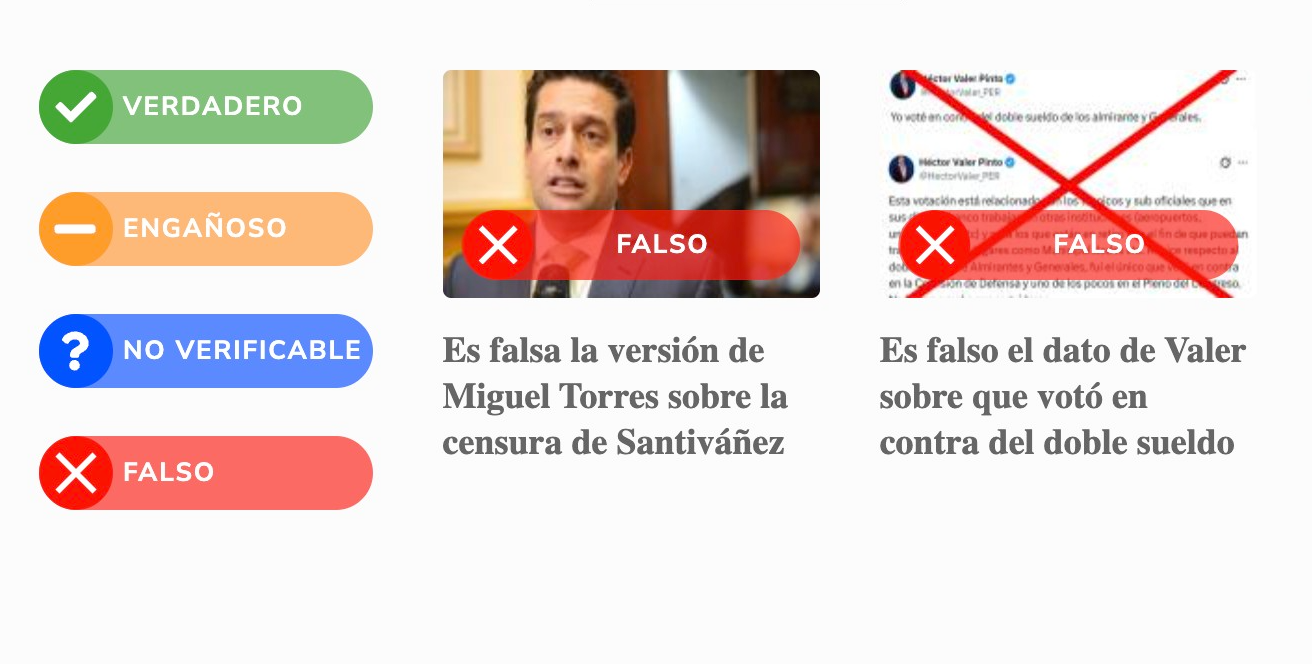
Ojo Biónico
Chequeos
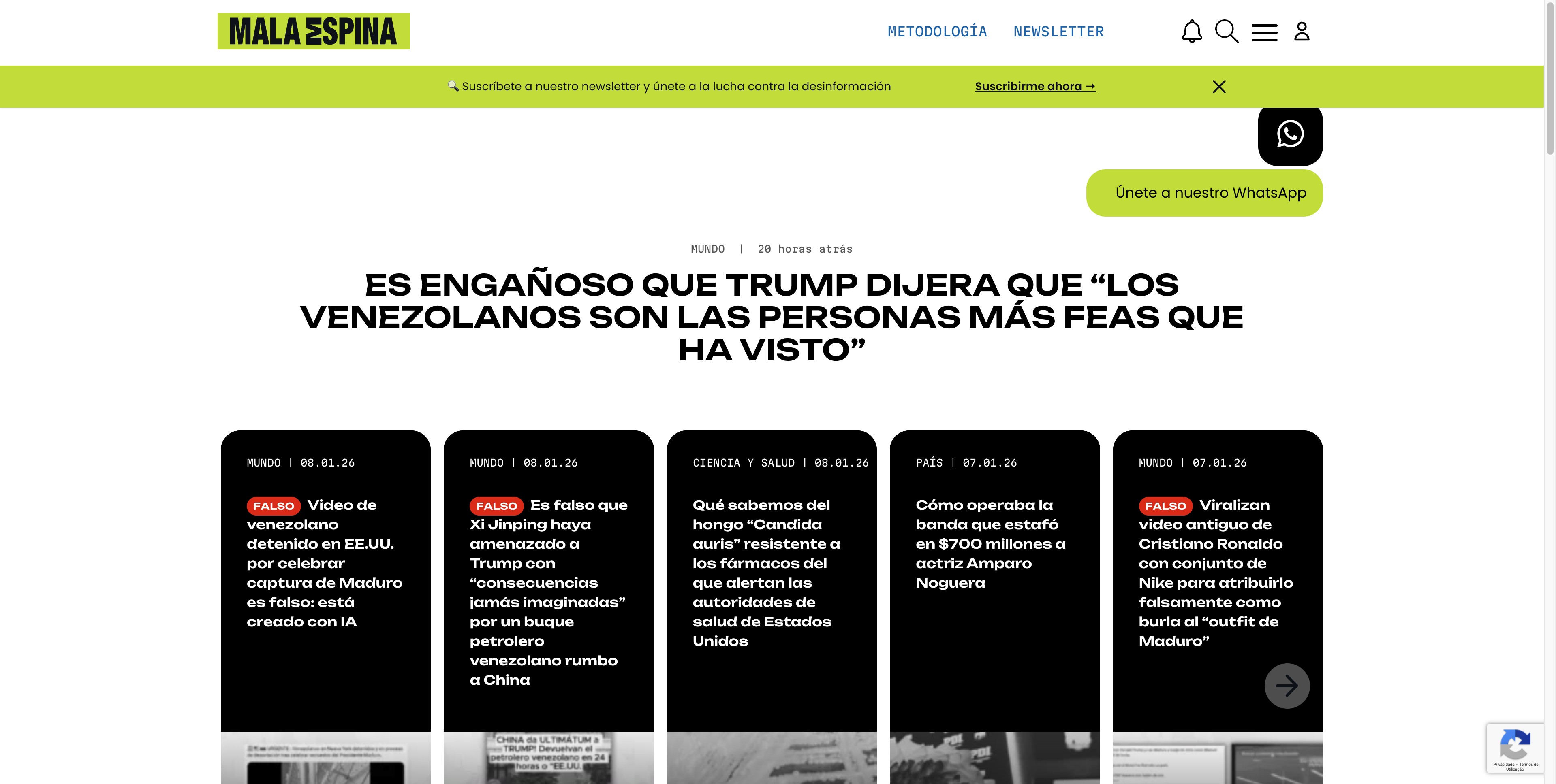
Mala Espina
Únete a la lucha contra la desinformación
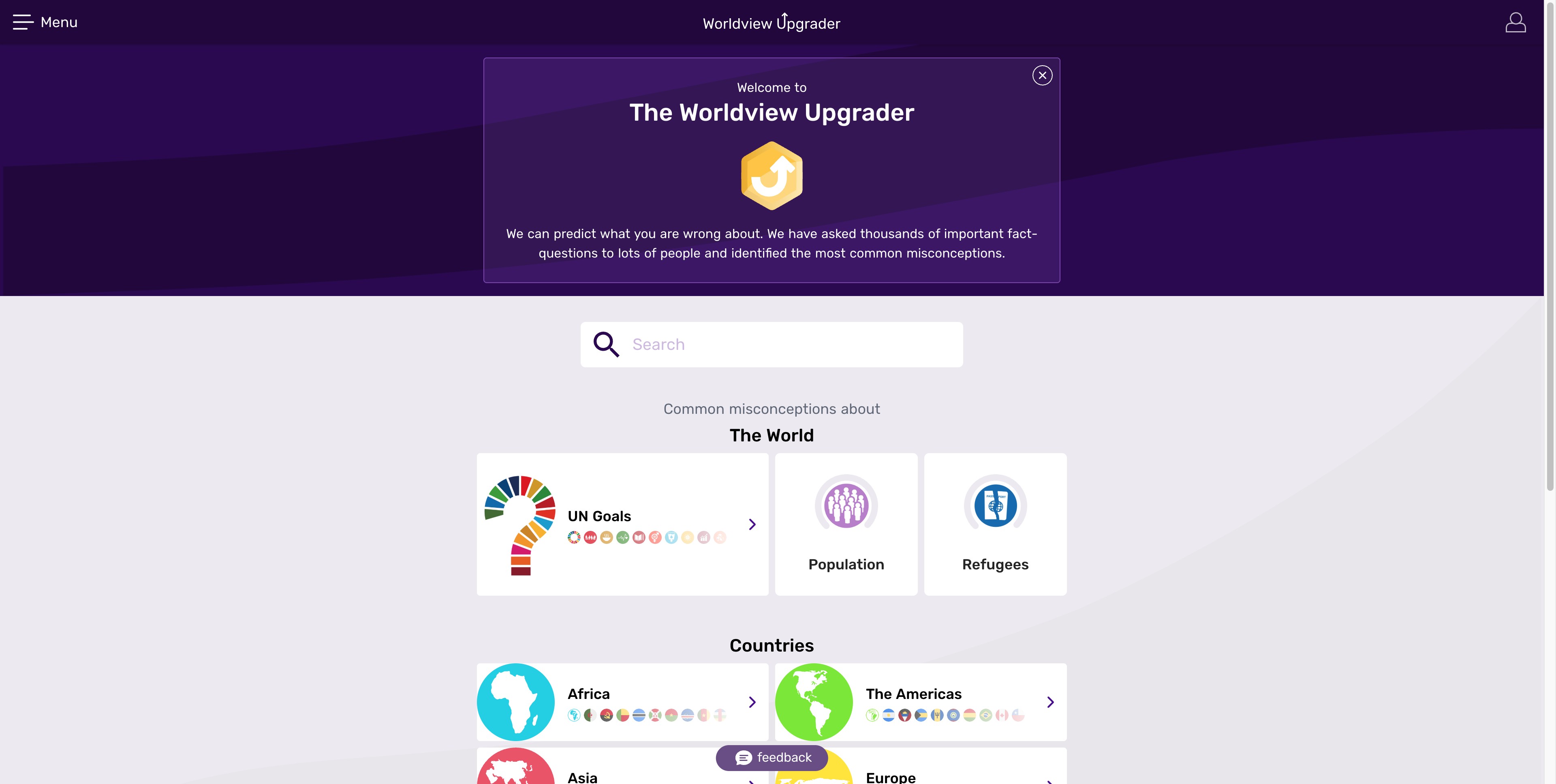
The Worldview Upgrader
We can predict what you are wrong about. We have asked thousands of important fact-questions to lots of people and identified the most common misconceptions.
OpenOrigins
OpenOrigins delivers pixel perfect content authentication at the source.

BirdXplorer
BirdXplorer is a tool for combating disinformation that uses Community Notes data from X (formerly Twitter).

Disint.ai
disint.ai - a narrative intelligence and social listening platform for YouTube.
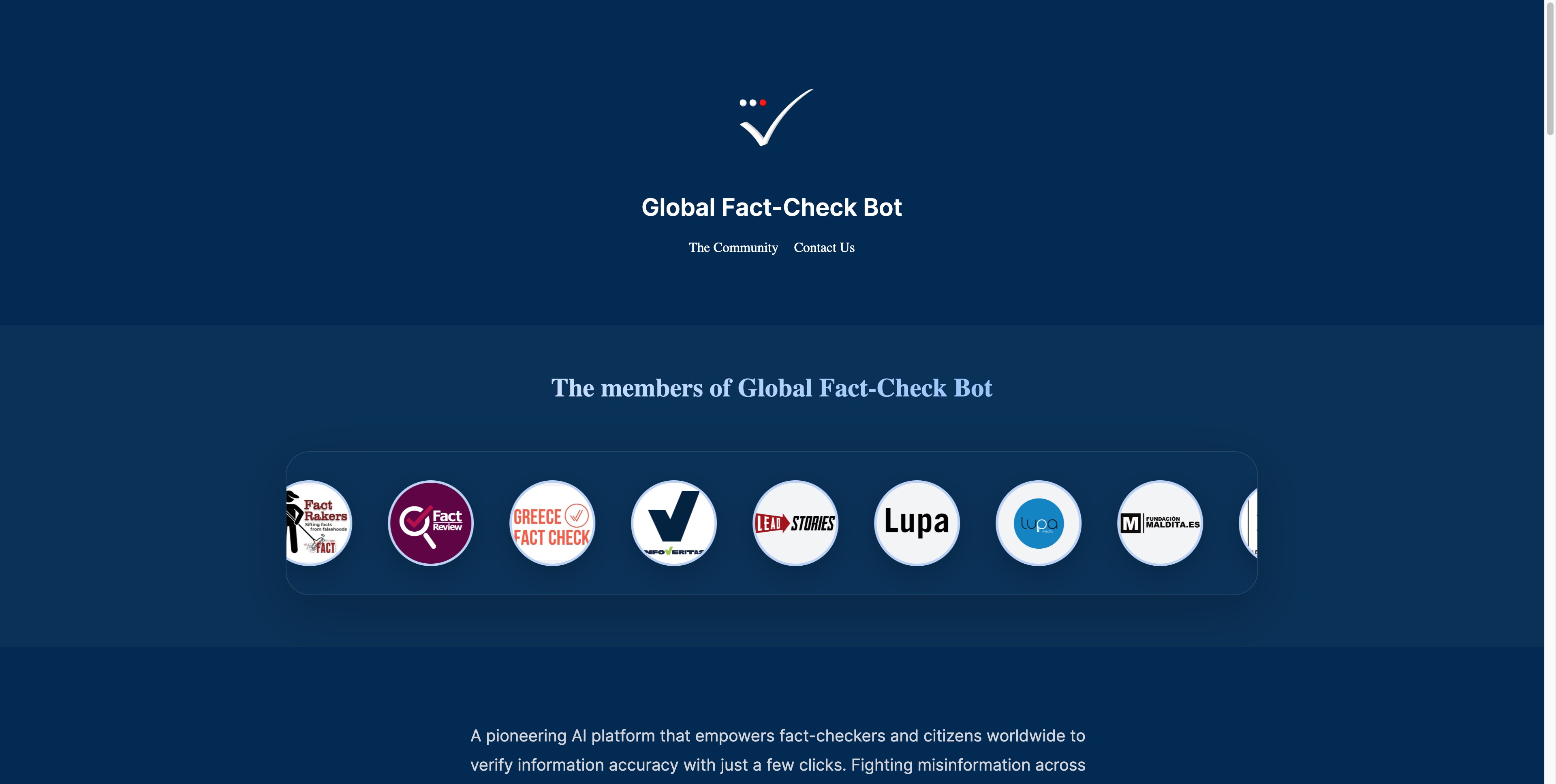
Global Fact-Check Bot
A pioneering AI platform that empowers fact-checkers and citizens worldwide to verify information accuracy with just a few clicks. Fighting misinformation across 50+ languages, powered by 60+ trusted...
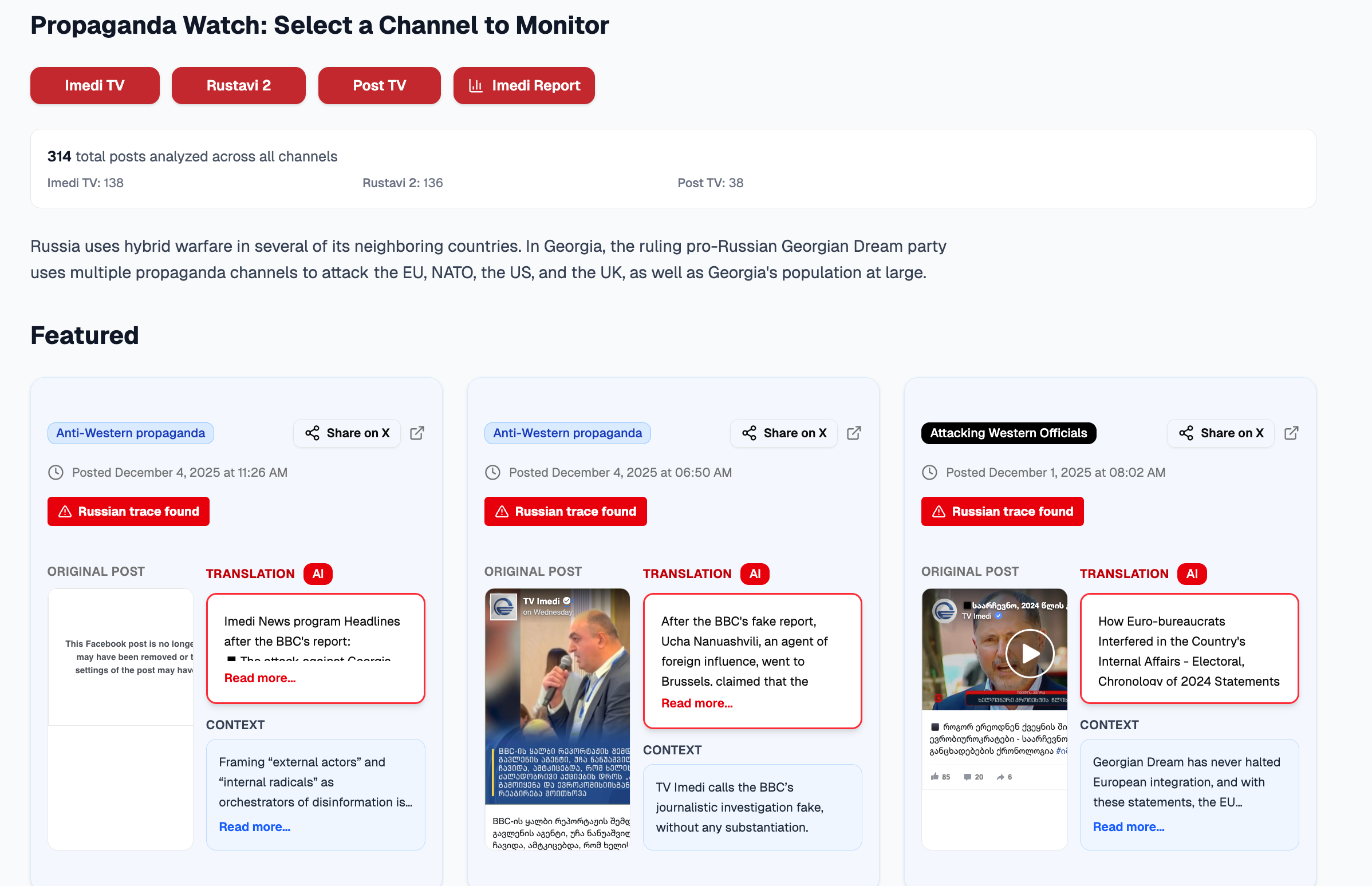
PropagandaWatch
Monitoring pro-Russian propaganda in Georgia
European Democracy Shield
The European Democracy Shield and the EU Strategy for Civil Society present measures to protect the key pillars of our democratic systems: free people, free and fair elections, free and independent me...

Digital Services Act election toolkit
The toolkit is a set of best practices that help Member States’ regulators in their work with VLOPs and VLOSEs to address risks like hate speech, online harassment, and manipulation of public opinion,...

Indicator
Indicator is your essential guide to understanding and investigating digital deception.

Indicator Academic library
This is a regularly updated collection of academic studies and industry reports about digital deception. It currently includes short descriptions of 55 academic studies and systematic reports.
Bad Vaxx
Level up your defenses! Learn to build resistance against manipulation.

A Practical Guide to Prebunking Misinformation
This guide was developed for practitioners interested in defending against misleading and manipulative information
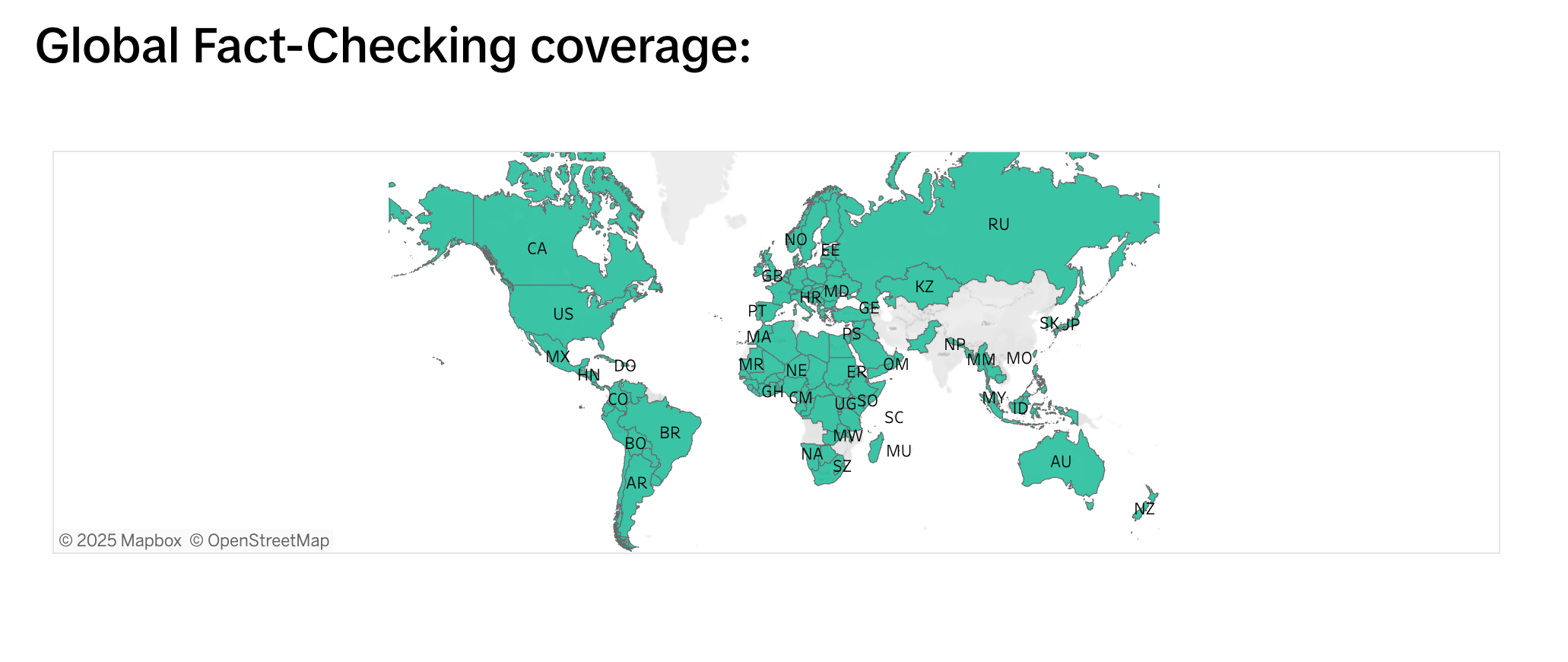
TikTok’s Global Fact-checking Program
Through our Global Fact-Checking Program, we work with more than 20 IFCN-accredited fact-checking organizations who assess the accuracy of content on TikTok in over 60 languages and 130 markets across...
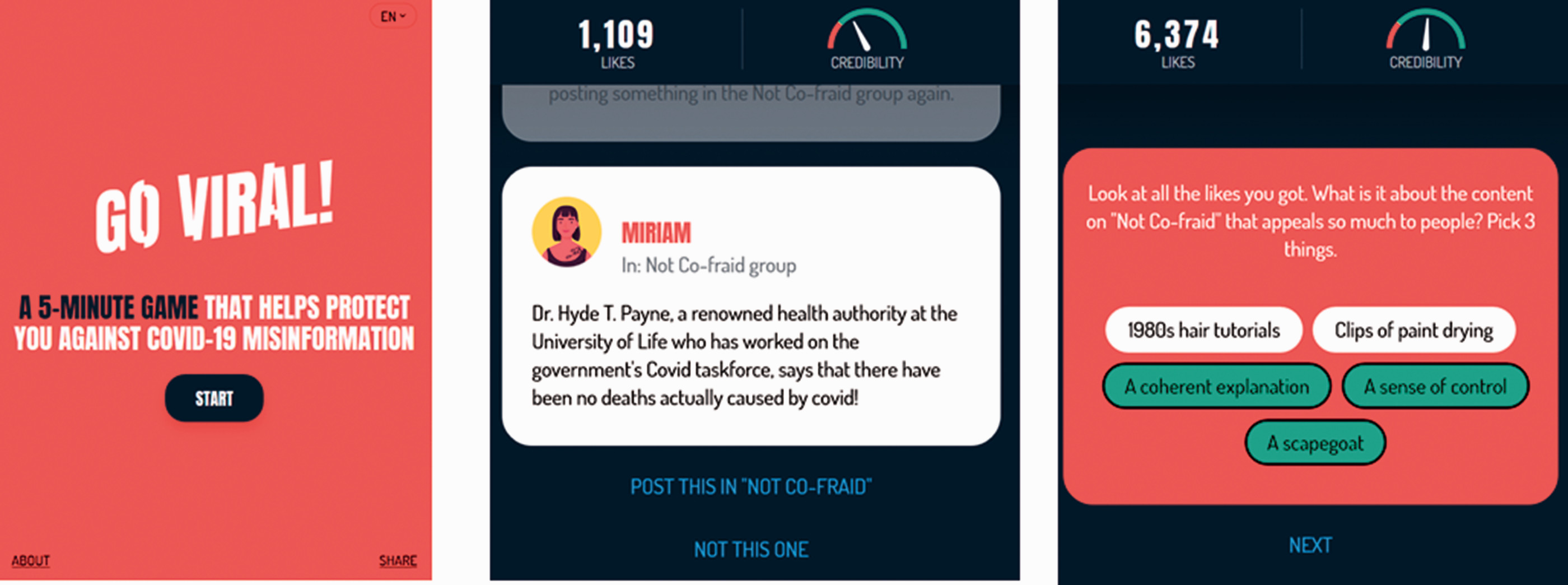
Towards psychological herd immunity: Cross-cultural evidence for two prebunking interventions against COVID-19 misinformation
We find that Go Viral!, a novel five-minute browser game, (a) increases the perceived manipulativeness of misinformation about COVID-19, (b) improves people’s attitudinal certainty (confidence) in the...

The cranky uncle game—combining humor and gamification to build student resilience against climate misinformation
Combining humor and gamification to build student resilience against climate misinformation

Fake news game confers psychological resistance against online misinformation
We provide initial evidence that people’s ability to spot and resist misinformation improves after gameplay, irrespective of education, age, political ideology, and cognitive style.
Cranky Uncle
The Cranky Uncle game uses cartoons and critical thinking to fight misinformation.
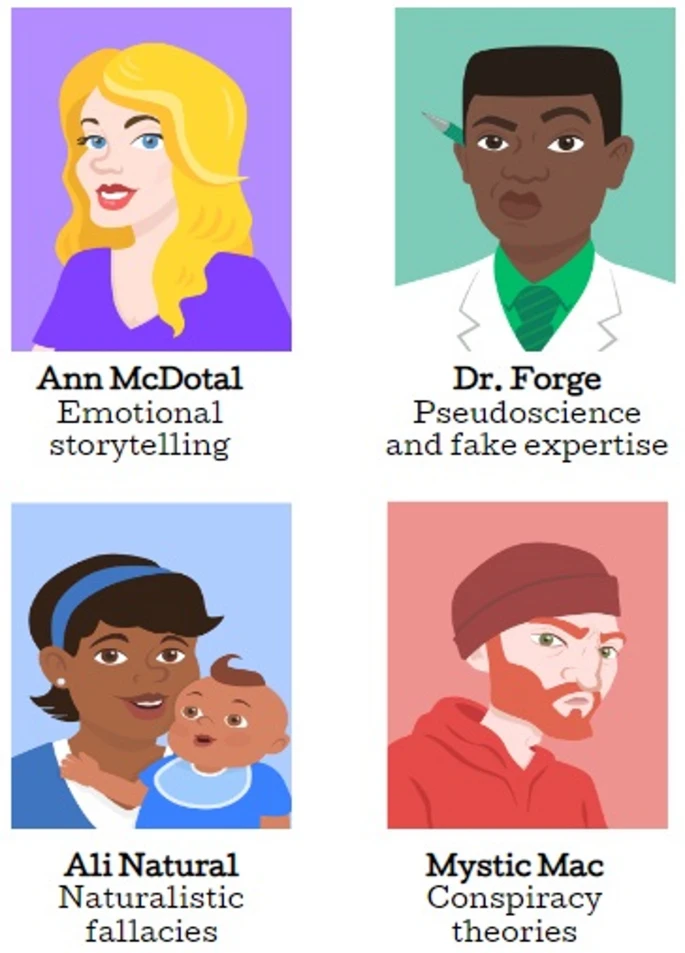
Psychological inoculation improves resilience to and reduces willingness to share vaccine misinformation
Our findings suggest that a short, low-cost, gamified intervention can increase resilience to vaccine misinformation.
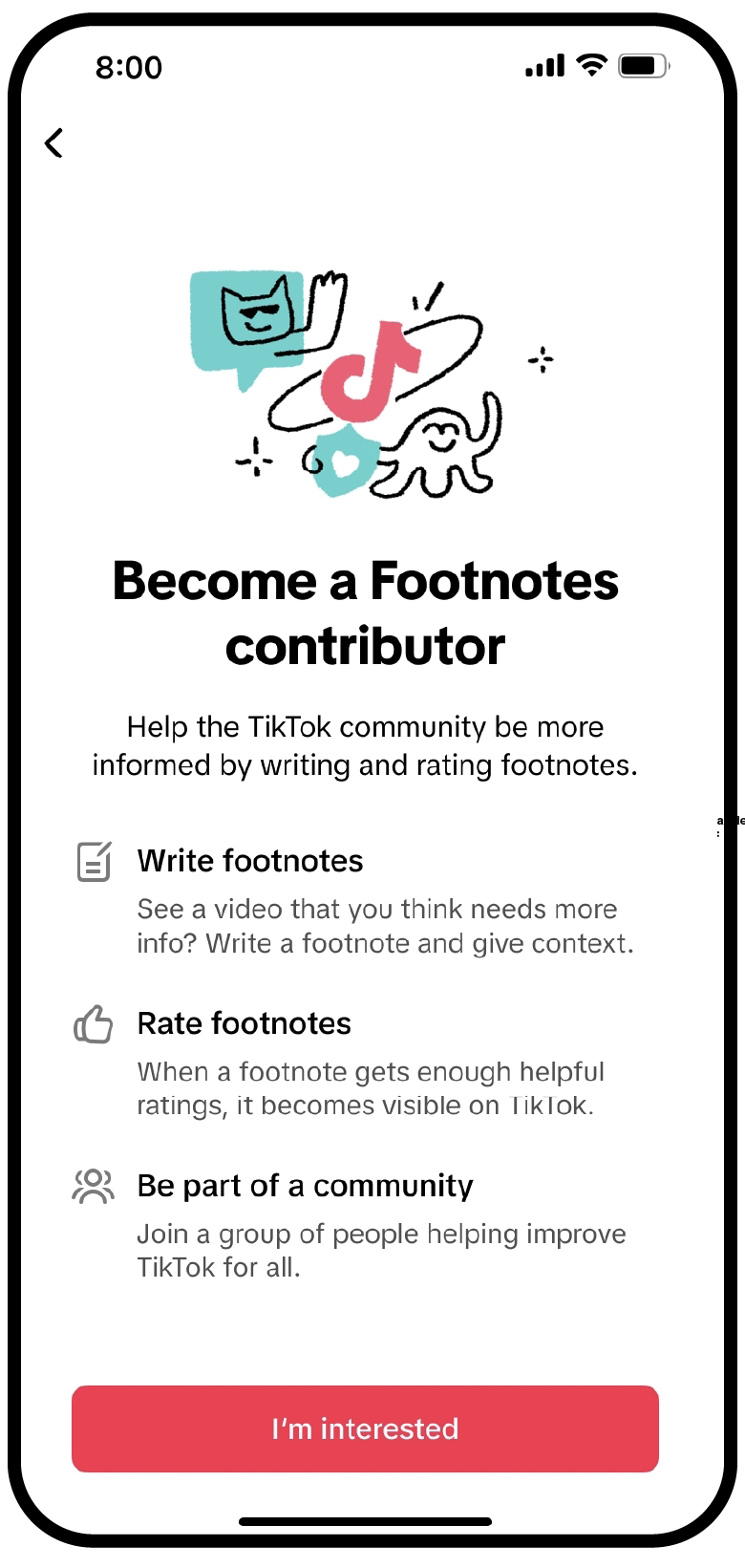
TikTok Footnotes
Footnotes will draw on the collective knowledge of the TikTok community by allowing people to add relevant information to content on our platform.

Content Credentials in Cloudflare Images
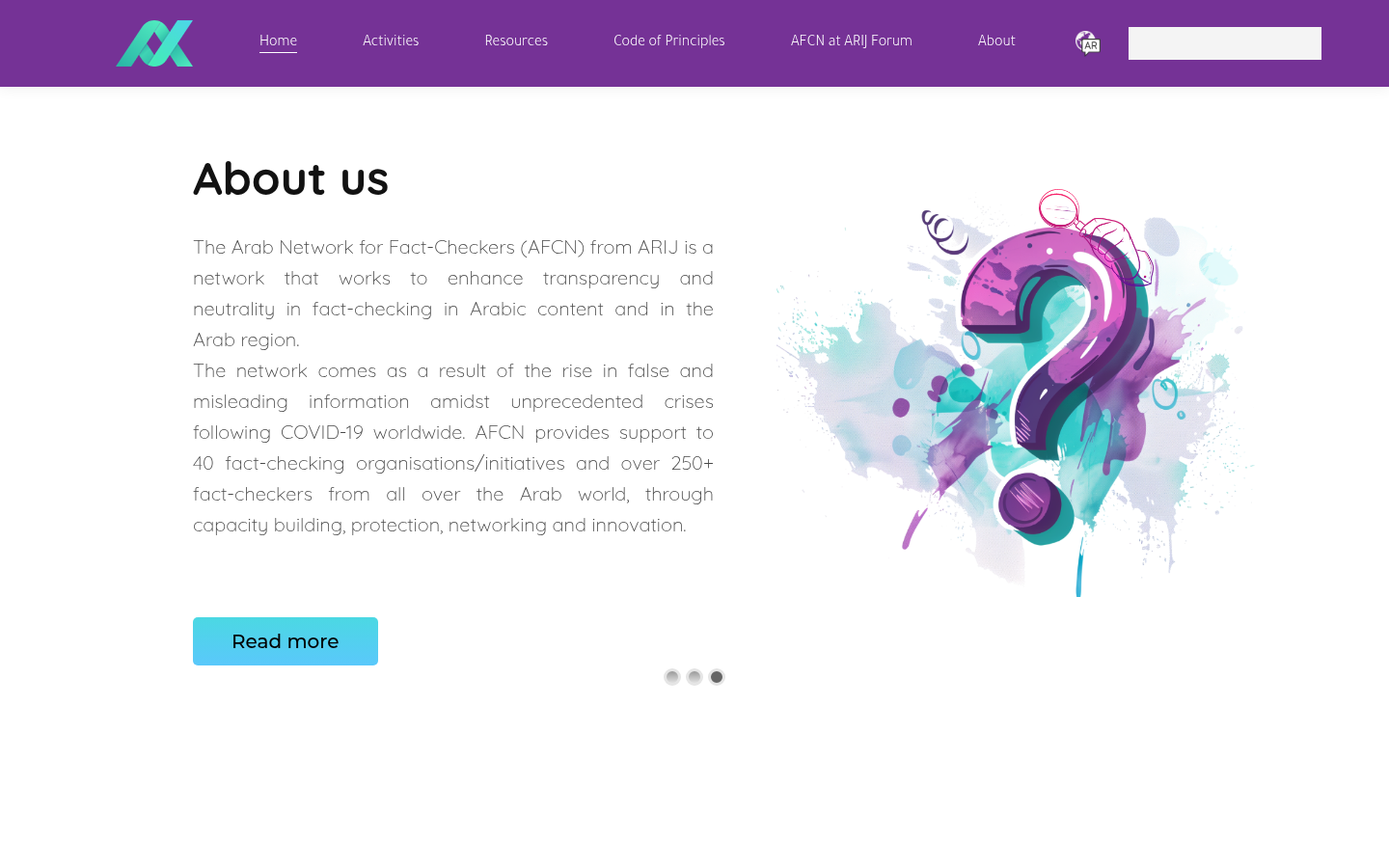
Arab Fact-Checkers Network
The Arab Fact-Checkers Network (AFCN) is a grassroots network that works towards fostering transparent and impartial fact-checking in the Arab region.
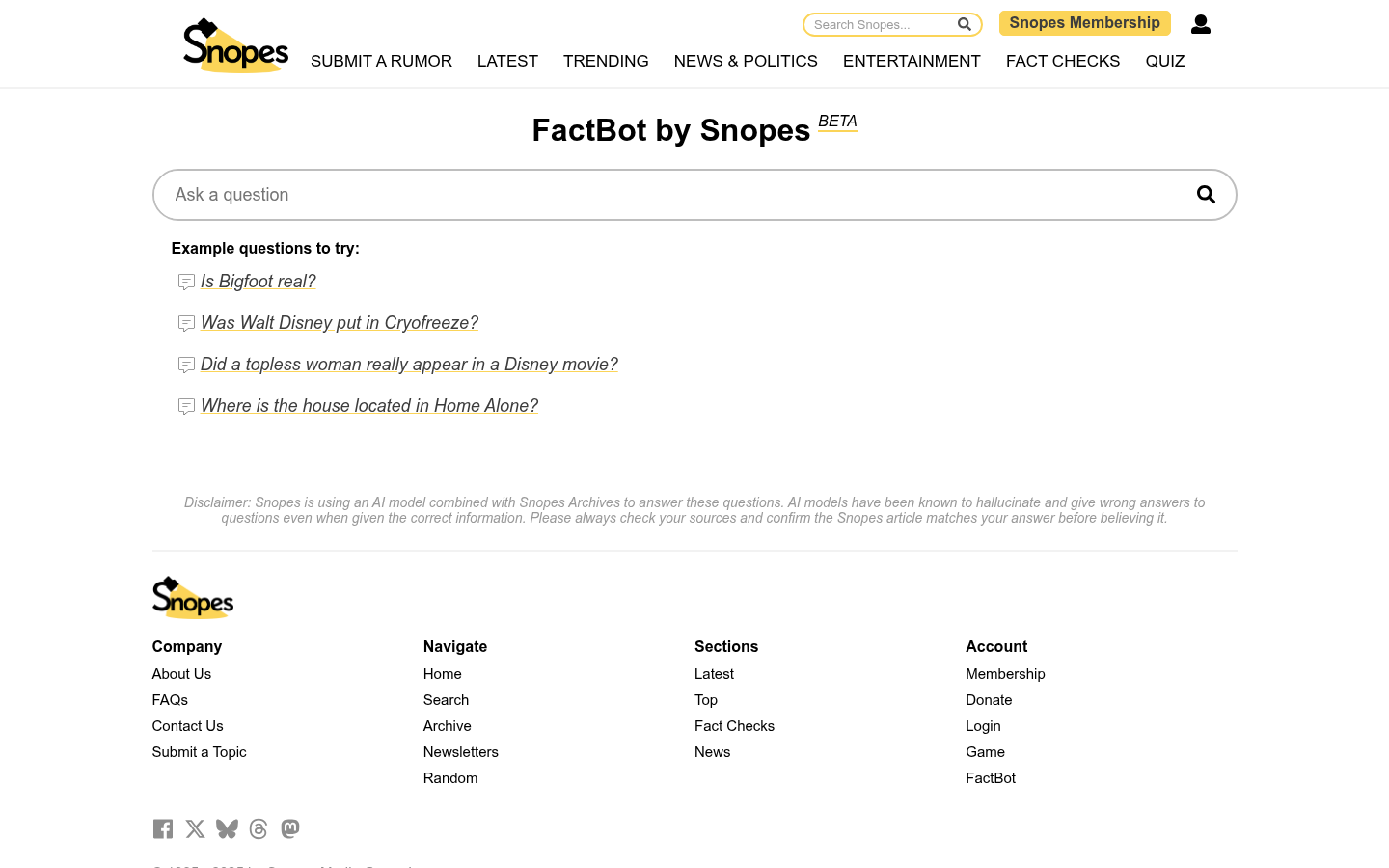
FactBot by Snopes
Snopes is using an AI model combined with Snopes Archives to answer questions

HEAT: Harmful Environmental Agendas & Tactics
HEAT (Harmful Environmental Agendas & Tactics) is a unique cross-border investigation run by Logically and EU DisinfoLab uncovering how harmful climate narratives are deliberately seeded and amplified...
Japan Fact-check Center
Japan Fact-check Center (JFC) is a non-profit organization dedicated to fact-checking and promoting media information literacy
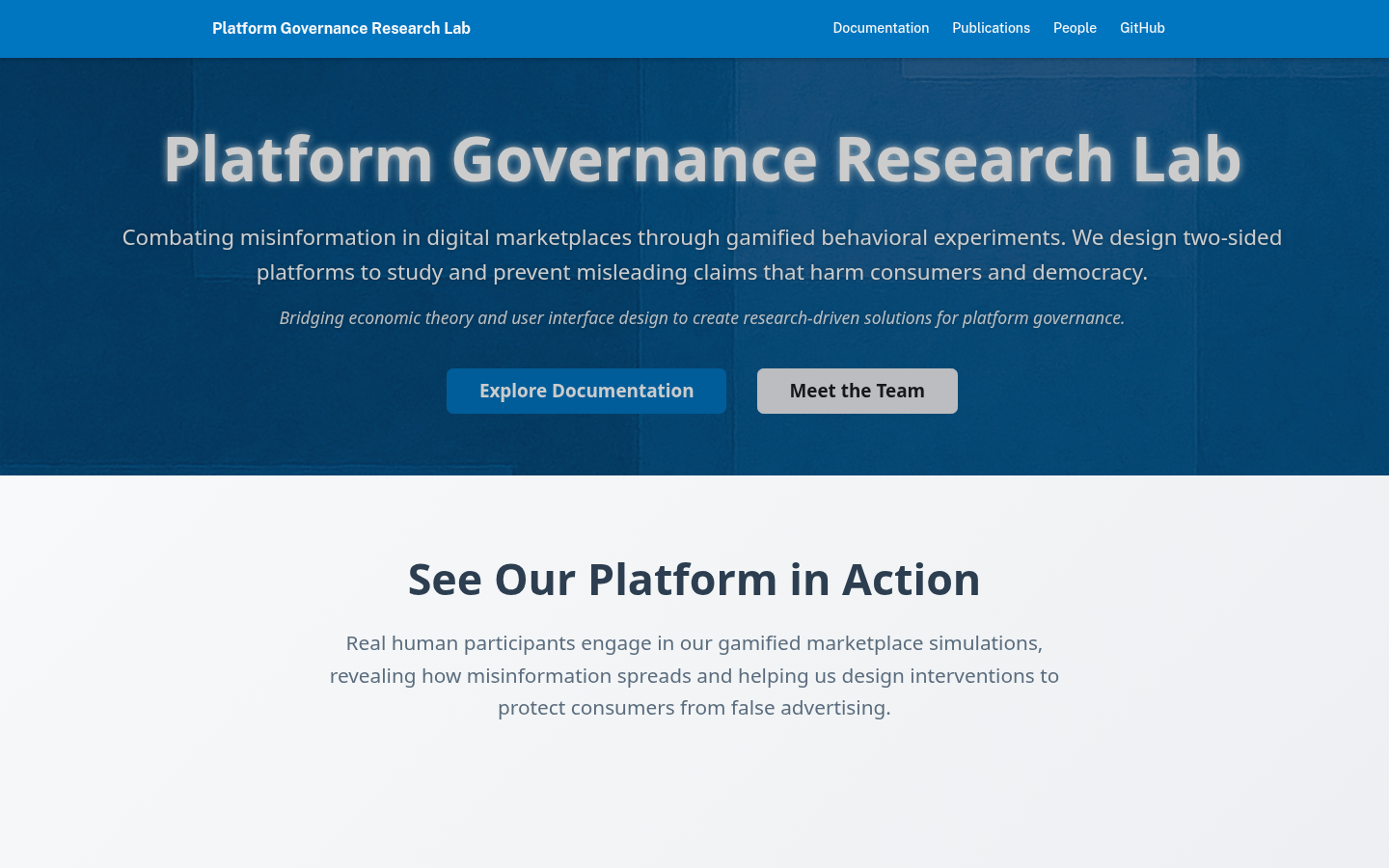
BU Platform Governance Lab
Combating misinformation in digital marketplaces through gamified behavioral experiments. We design two-sided platforms to study and prevent misleading claims that harm consumers and democracy.
Centre for Democracy & Development (CDD-West Africa)

Aláfia Lab
Laboratório de pesquisa independente e multidisciplinar de política digital

Digital Access (Cameroon)
Digital Access is a non-profit social enterprise that aims to promote digital opportunities for young people.

Thraets
Confronting digital threats to Democracies.

Deep Fake Transformers
Fakespot is working on a foundational model for detecting deep fake content on the web

SynthID Detector
Identify content made with Google’s AI tools

CrossOver
Tracking the role of algorithms on the spread of disinformation

SynthID
A tool to watermark and identify content generated through AI

CIB Mango Tree
We are a collaborative and open-source project to develop software that tests for coordinated inauthentic behavior (CIB) in datasets of online activity.

Adobe Content Authenticity Beta
Apply secure metadata with information about yourself and your content preferences, directly to your files with Content Credentials.

Red teaming large language models (LLMs) for resilience to scientific disinformation
The red teaming event brought together 40 health and climate postgraduate students with the objective to scrutinise and bring attention to potential vulnerabilities in large language models (LLMs1 ).

The online information environment
A report by the Royal Society on the impact of the internet on our information environment, and on misinformation relating to scientific issues

Dalil
Dalil is a web platform enabling faster access to accurate information through AI-powered media monitoring and analysis tools.

Debunker Assistant
Debunker-Assistant is your go-to tool for debunking fake news online.

OSP
A fact-checking website designed to provide critical support to investigative journalists, fact-checkers, and data journalism experts by simplifying access to information from Armenian open sources.

Sunstorm Foundation
We are seeding a future in which truth is a shared asset, and trust between citizens in Europe is fostered by transparency in the digital sphere.

Telegram third-party verification
Telegram allows public figures and organizations to become verified, so users can quickly identify official sources of information. To further improve transparency on Telegram, official third-party se...

Telegram Page Verification
Telegram offers verification for public figures and organizations so that users can easily identify official sources.

Naskvoz
"Naskvoz" (meaning "seeing through" in Russian), analyzes news texts for emotional manipulation techniques and propaganda markers.
Dokopalsya!
Dokopalsya! (which playfully means "got to the bottom of it" in Russian), leverages large language models to serve as a rapid fact-checking assistant in Russian. When users share claims or news snippe...