
Citizen science
Citizen science is the practice where regular people can get involved in the scientific process, usually through improved access to cheaper hardware, like sensors, cameras, and computers, and through methods like open innovation and crowdsourcing.
"Neal Lane, PhD, while serving as director of the National Science Foundation, used the term “civic scientist” in a 1996 lecture before an international assembly at the National Academy of Sciences. He said, “In the past several months, I have spoken to many groups of my colleague scientists here in America about a new, additional role that, I believe, scientists must play in society. I termed this role the ‘civic scientist’ — civic meaning concerning or affecting the community or the people. In this new capacity, scientists step beyond their campuses, laboratories, ministries, and institutes and into the center of their communities to engage in active dialogue with their fellow citizens.” -- Research!America
Suggested reading:
- See this helpful introduction to Open Science for more information.
- Vox: Citizen science is booming during the pandemic. From backyard astronomy to birding, amateurs have been busy collecting data — and making real discoveries.
- See also our category on sensors.
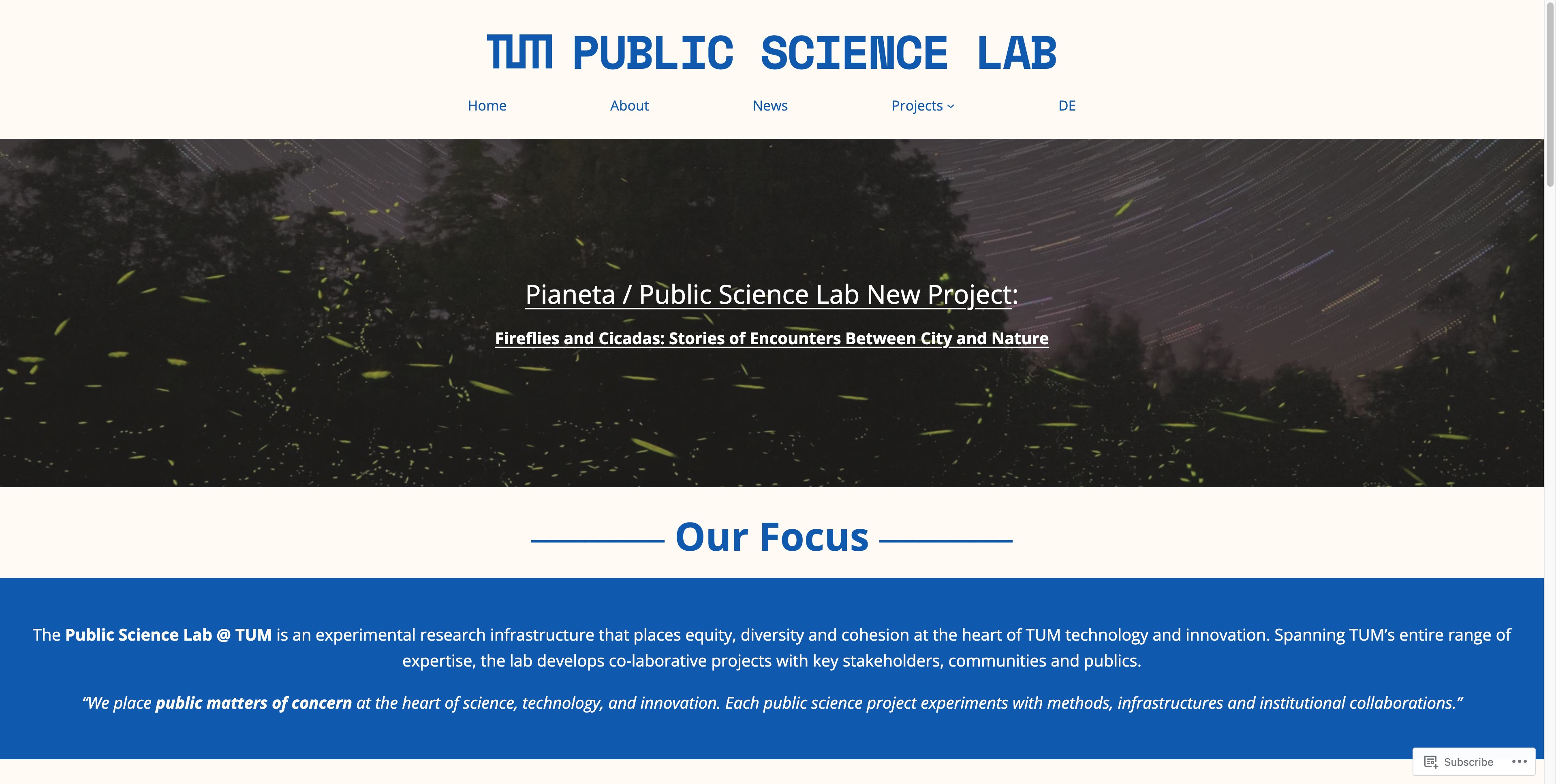
Public Science Lab
The lab brings together researchers from various disciplines to study how science and technology shape society and how societal perspectives influence research and innovation.
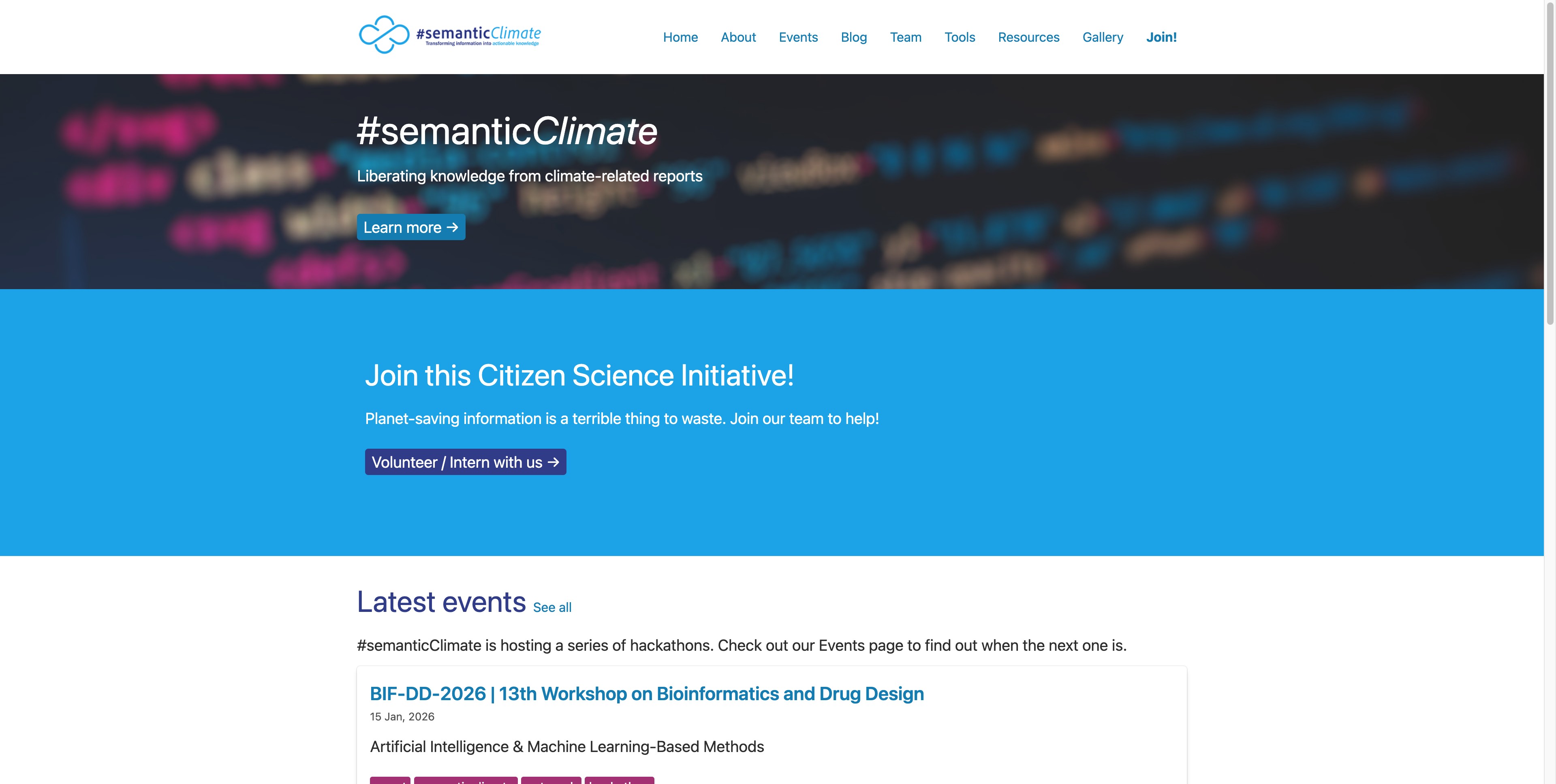
#semanticClimate
Liberating knowledge from climate-related reports
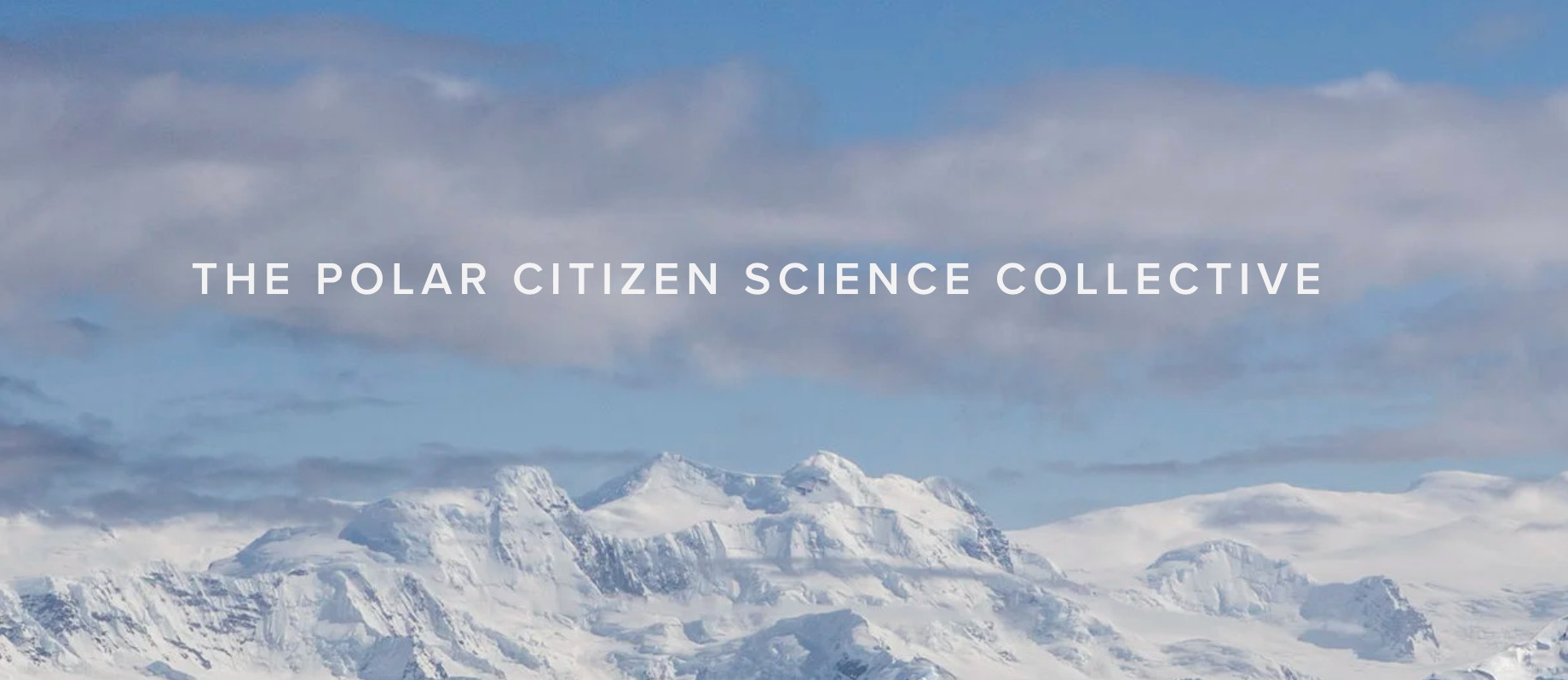
The Polar Citizen Science Collective
The Polar Citizen Science Collective creates opportunities for research and public education through citizen science, leveraging the reach of polar travelers to enhance understanding and protection of...

The Citizen Science Manual
This manual aims to empower individuals in their roles as citizen scientists and to promote the practice of community-based citizen science as a vehicle for environmental justice.

Water Testing River Thames (WTRT)
The River Thames Water Quality Testing Group is operated by volunteers who enjoy wild swimming, paddle-boarding and boating, and are concerned about the water quality in the River Thames and the lack...
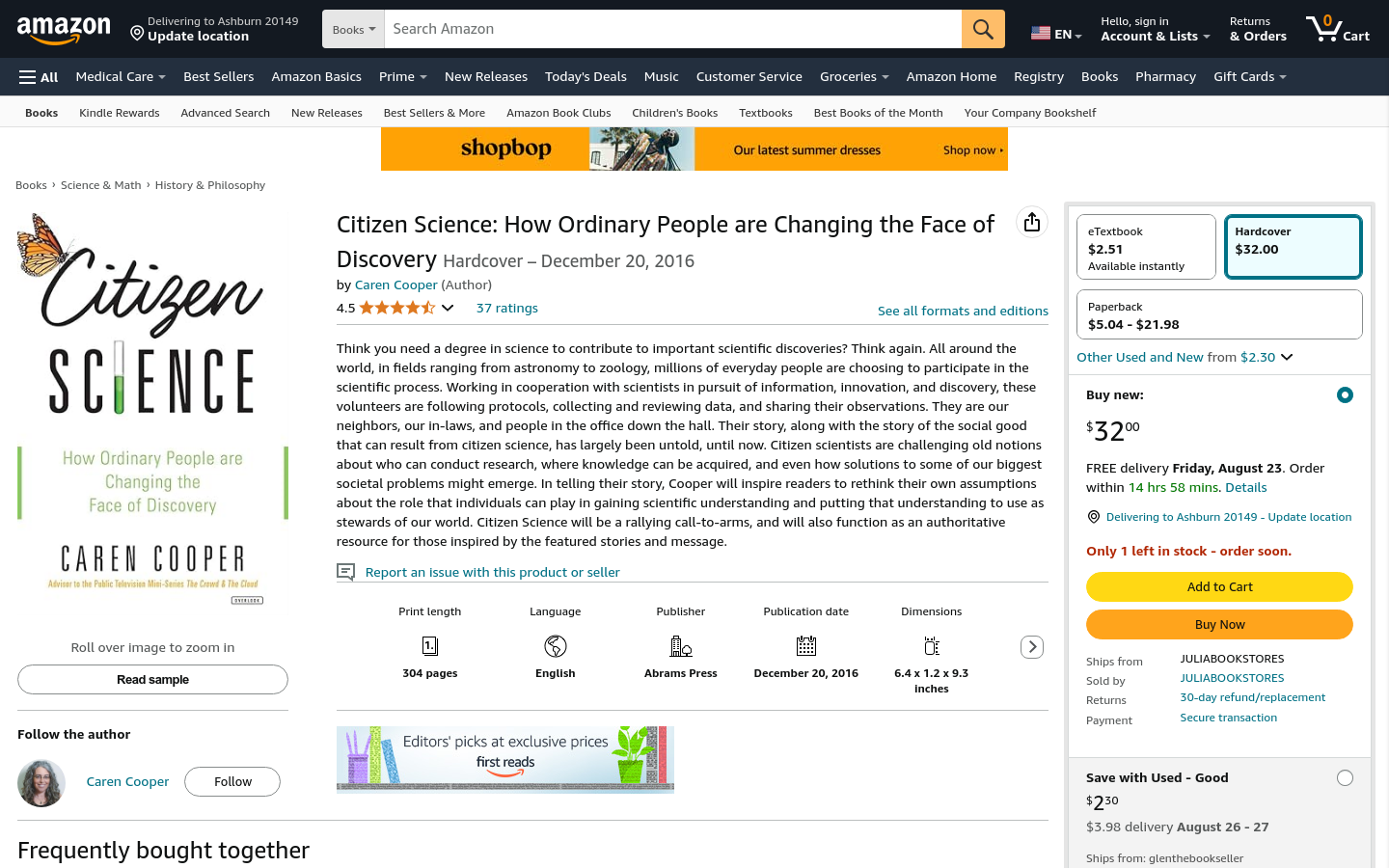
Citizen Science (Caren Cooper)
They’re our neighbors, in-laws, and coworkers. Their story, along with the story of the social good that can result from citizen science, has largely been untold, until now.

AfricaOSH
The African affiliate of the global Open Science Hardware community, plus its global summit

Gathering for Open Science Hardware (GOSH)
"...Open source hardware gives people the freedom to control their technology while sharing knowledge and encouraging commerce through the open exchange of designs."

ShakeNet and Raspberry Shakes
Online community tracking earthquakes with Raspberry Shakes: Professional grade seismograph and infrasound monitors that anyone can use to record and visualize both natural and human activity.
Open Science visualization
This overview highlights resources that are available for TU Delft researchers in their Open Science journey.

Code for Science & Society
Advancing the power of data to improve the social and economic lives of all people

Network for Clean Air
We've been organising a programme of citizen science to measure air pollution since 2013

Centre for Collective Intelligence Design
The Centre for Collective Intelligence Design will explore how human and machine intelligence can be combined to make the most of our collective knowledge and develop innovative and effective solution...

Joint Roadmap for Open Science Tools
We propose an effort to develop a “Joint Roadmap for Open Science Tools”. This will be delivered by an informal group of like-minded organizations coming together around a common purpose.

Parli-N-Grams
Chart the frequency of words and phrases in UK Parliament debates

Citizen Science: Innovation in Open Science, Society and Policy
If you are a professional researcher who wants to learn more about how to get started with designing your citizen science project, this is a good place to start

MAPSCorps
We train youth to produce high quality data about community assets that everyone can use to improve the human condition.

Luftdaten
Measure air quality yourself

SciStarter
Real science we can do together. Join a #citizenscience project (we feature 2500+).

PakAirQuality
Pakistan Air Quality Initiative (PAQI پاکی) provides community-driven air quality data to increase social awareness.

Mboalab
A biotech makerspace located in a rural community.

eBird
eBird transforms your bird sightings into science and conservation. Plan trips, find birds, track your lists, explore range maps and bird migration—all free.

Purple Air
A low cost air quality sensor network providing real time measurement of air quality on a public map.

Zooniverse
Zooniverse gives people of all ages and backgrounds the chance to participate in real research with over 50 active online citizen science projects.

AuroraSaurus
First real-time map of auroral visibility based on user contributions and crowd sourcing.

Data Lanterns
illuminating local water quality through data performances for collective action